Description
Bernard, the abbot of the abbey at Clairvaux, was born 1090 A.D. Though originally destined for knighthood, his fervent devotion to Christ led him into a different kind of noble service. As Bernard grew in his own devotion to Christ, and as he gained prominence among the Benedictine order, he became disturbed by the lack of true Christian piety among many of the established monasteries. As time went on Bernard became grieved by what he saw in many of the monasteries which had been founded according to The Rule of St. Benedict and so he began to labor for the restoration of his order to a more faithful practice.
The Benedictine monastic tradition, however, was not the only institution badly in need of Christian reformation in Bernard’s day. The noble rank of knighthood, to which his own father belonged, was in a tragic state. Many men of the nobility who had formally sworn to uphold justice, to care for the poor, the orphan, and the widow, had become despotic tyrants.
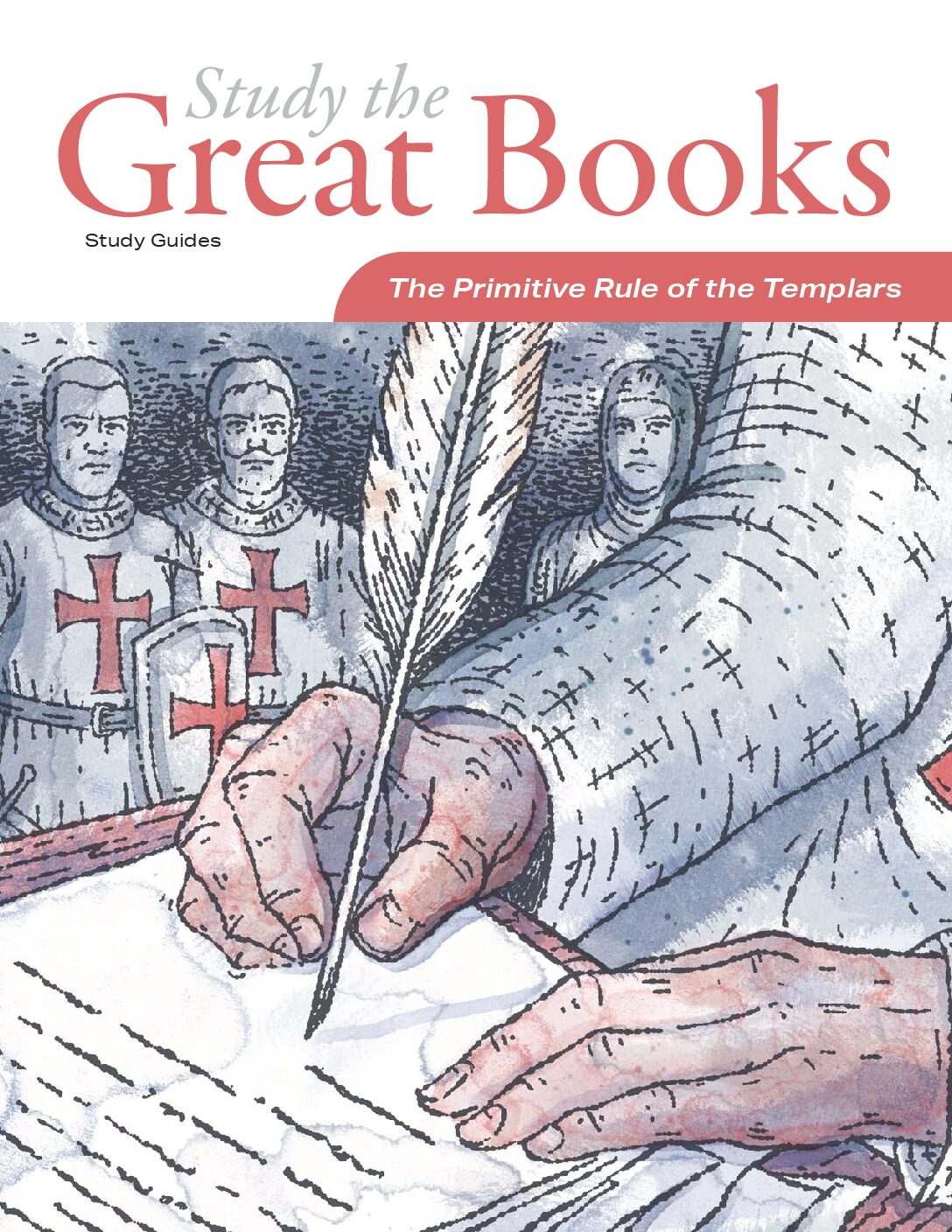
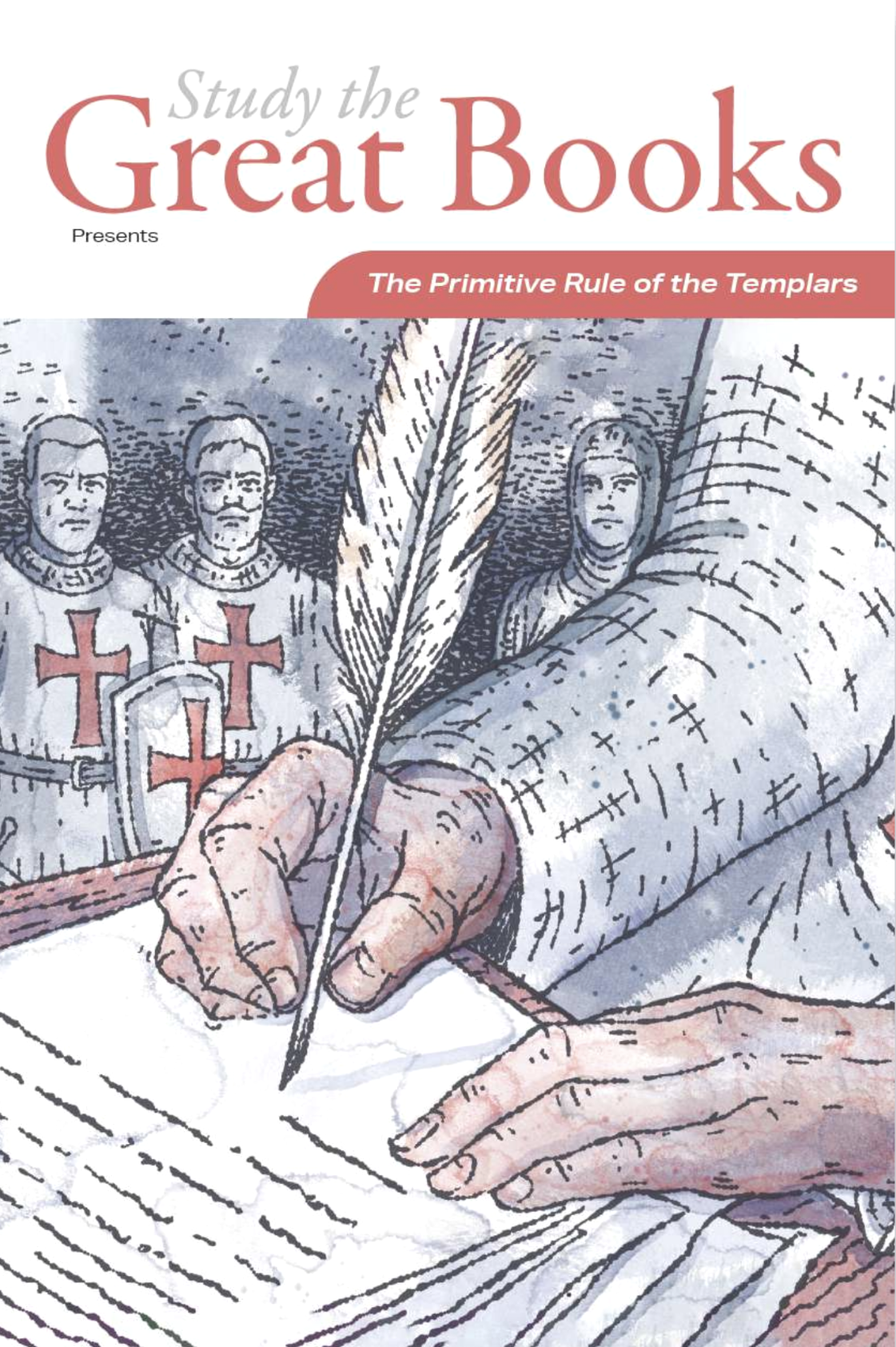
In a joint effort with Hugues de Payens, magister militum Templi (Master of the Knights Templar), Bernard of Clairvaux worked to construct The Rule of the Templars, which outlined a way of life for Christian knights to follow. The Knights Templar had been formed for the protection of Christian people, and Christian interests, in the Holy Land. They sought to establish a permanent Christian presence and rule in Jerusalem and to make it possible for Christians from all over the world to come in pilgrimage to see the places where Christ and his apostles ministered.
STGB Annotation Editions
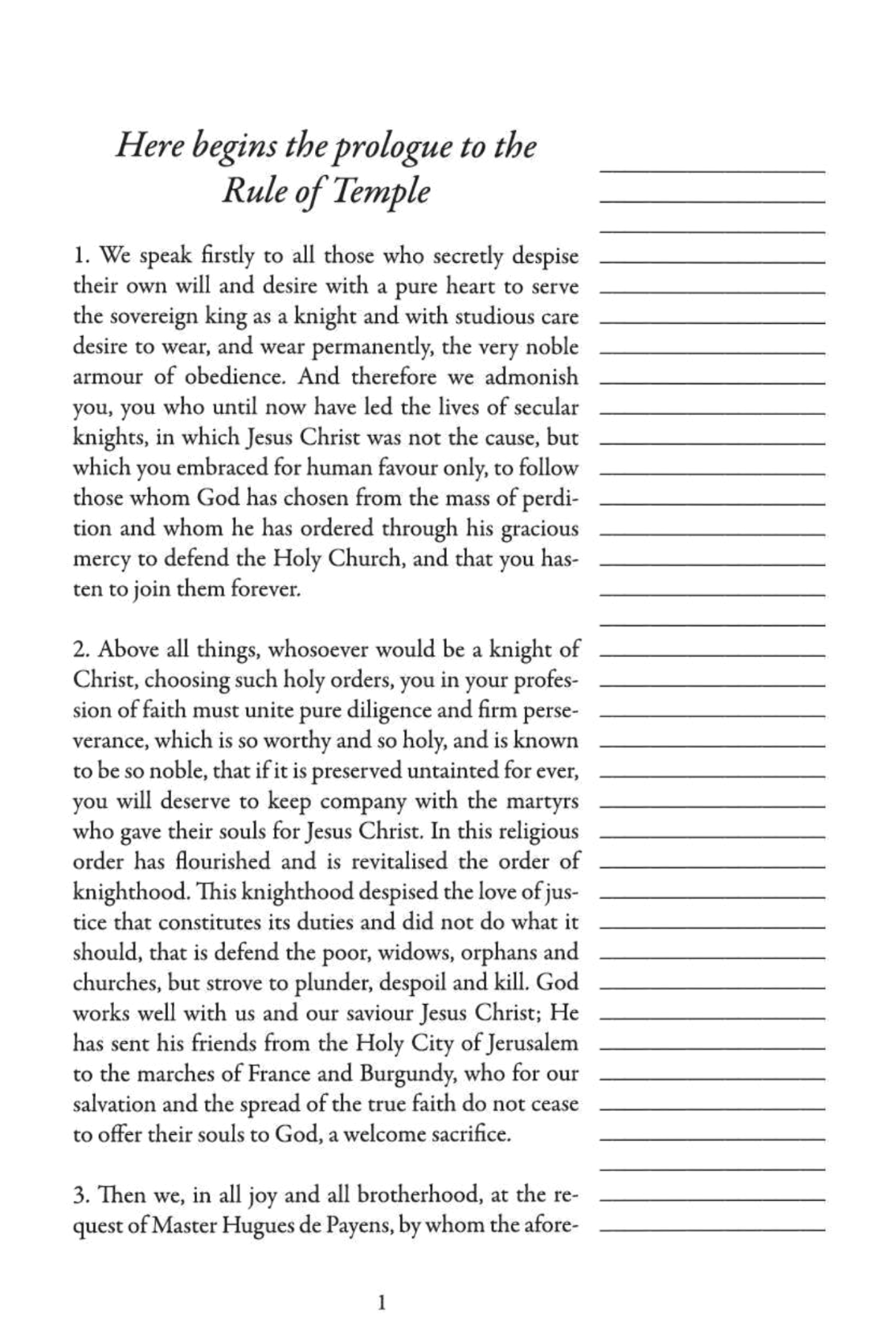
Study The Great Books is pleased to present this book in one of our unique STGB Annotation Editions! Every book worth reading is also worth adding your own thoughts to and marking up according to the STGB Annotation System. Unfortunately it’s often the case that we have more worthwhile thoughts about what we are reading than we have room to write about them in the margins! With our new STGB Annotation Editions we are helping to eliminate that problem. You can now read the Great Books with ample room to write your thoughts, note your observations, and record your own questions about the text.