Description
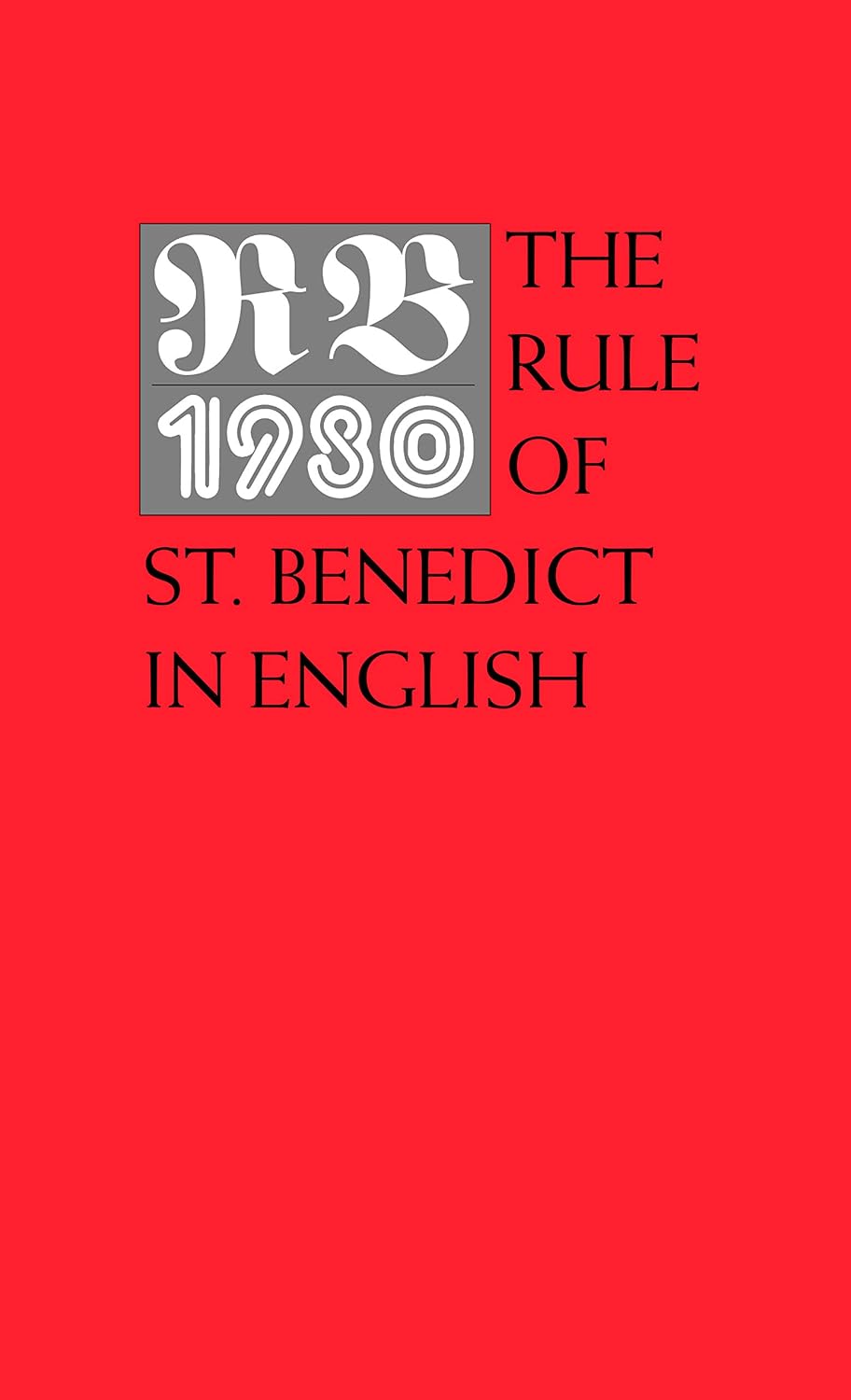
After the fall of the Western Roman Empire in 476 A.D. Europe fractured into many different kingdoms and many wars were fought in the attempt to gain more power and dominance. The Pax Romana (the peace which had been established by 400 years of Roman dominance) had vanished and civilization as a concept was threatened. The schools of learning, the works of art and theater, the intricate works of architecture and excellent roads (everywhere present where Rome had spread itself), all of that threatened to come to a halt and be forgotten. It was in that dark and difficult time that St. Benedict formed his monastic order (529 A.D.) for the purpose of educating men to read and study the Christian Scriptures and to follow in the way of Christ. As a result of this monastic movement, not only were the Scriptures studied, read, and preserved, but so were many other works of art and literature. Original workd of artistry and craftsmanship continued in the monasteries alongside works of mercy and missions to those who still needed to hear the gospel. The Rule of St. Benedict sets forth the code of conduct and the diligent practices kept by the brothers who lived in the monastery. The rule was strict, but not harsh. It preserved good order, it turned boys into men, and it formed exceptional scholars for centuries to come who were able to preserve, pass on, and even add to, all that is true, good, and beautiful for the sake of those who would come after.