
Description
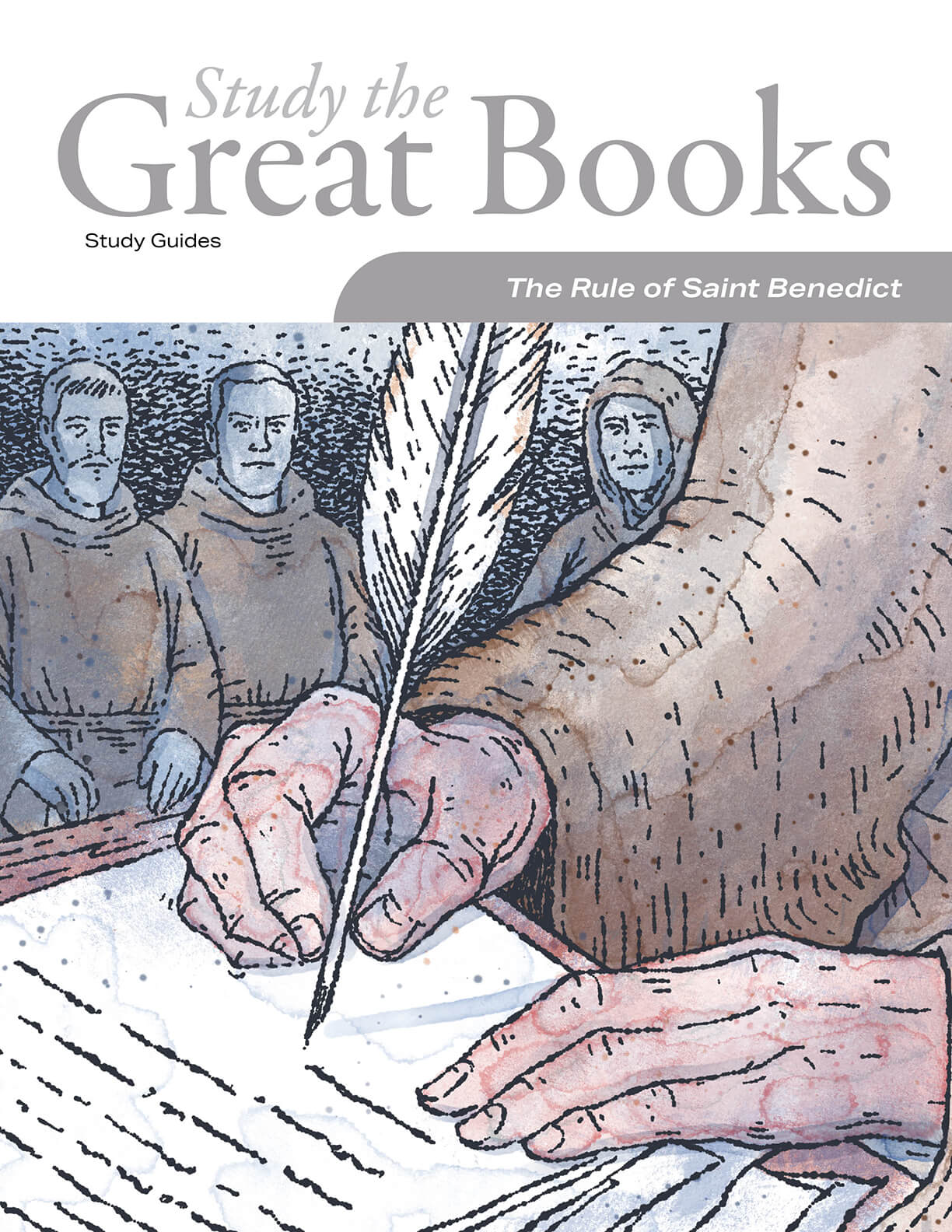
After the fall of the Western Roman Empire in 476 A.D. Europe fractured into many different kingdoms and many wars were fought in the attempt to gain more power and dominance. The Pax Romana (the peace which had been established by 400 years of Roman dominance) had vanished and civilization as a concept was threatened. The schools of learning, the works of art and theater, the intricate works of architecture and excellent roads (everywhere present where Rome had spread itself), all of that threatened to come to a halt and be forgotten. It was in that dark and difficult time that St. Benedict formed his monastic order (529 A.D.) for the purpose of educating men to read and study the Christian Scriptures and to follow in the way of Christ. As a result of this monastic movement, not only were the Scriptures studied, read, and preserved, but so were many other works of art and literature. Original workd of artistry and craftsmanship continued in the monasteries alongside works of mercy and missions to those who still needed to hear the gospel. The Rule of St. Benedict sets forth the code of conduct and the diligent practices kept by the brothers who lived in the monastery. The rule was strict, but not harsh. It preserved good order, it turned boys into men, and it formed exceptional scholars for centuries to come who were able to preserve, pass on, and even add to, all that is true, good, and beautiful for the sake of those who would come after.
Pick up the book which corresponds to this study guide HERE.
The STGB Study Guides
The Study The Great Books study guides all offer the same classically oriented and Christ exalting approach to engaging history and literature. Our guides offer students everything they need to help them read and understand primary source texts from the ancient, medieval, and modern world. Making use of the Trivium (Grammar, Logic, and Rhetoric) and sacred Scripture students engage each text through answering questions meant to ensure they understand what they have read, can interpret what they have read, can discuss the ideas they have read, and can submit all the things they are learning to God’s word as their final authority.
- Grammar Questions ask, “What does the text say?”
- Logic Questions ask, “What does the text mean?”
- Rhetoric Questions ask, “What are the main ideas in the text and what do we think about them?
- Theological Questions ask, “What does God’s word say about these same or similar things and how, therefore, ought we to think about them?”
Additionally, every STGB study guide provides students with the definitions of challenging and/or key terms found in the text, they provide descriptions of the people or characters mentioned in the text, they provide descriptions or give further information about places mentioned in the text, and they provide details about events in history which are mentioned in the text. Each of these categories is color coded to the STGB Annotation System so students can learn to mark their books well for better engagement and gain the advantage of more quickly finding the information they need upon review of a section of the book. With the use of erasable pens (recommended):
- Black is the color for underlining points of interest and making notations in the margins.
- Red is the color for underlining vocabulary words, key terms, and literary references.
- Blue is the color for underlining people or characters.
- Purple is the color for underlining places and information about geography or distances.
- Green is the color for underlining historical events and dates of importance or noting the passage of time.
Finally, every STGB study guide gives hints to Great Ideas, Virtues, and Vices which can be found in each writing. Students are encouraged to find examples of these in each reading and note them in the margins of their books so that they might learn to see common themes in history and great literature, gather excellent examples of virtue to emulate, and make note of vices to avoid. These examples often provide students with memorable quotes and examples worthy of remembering and therefore become just the kind of content perfect for recording in a Commonplace Journal. These journals become excellent resources for inspiration for writing projects and provide useful material to aid students in the completion of many of their Composition and Rhetoric assignments.